

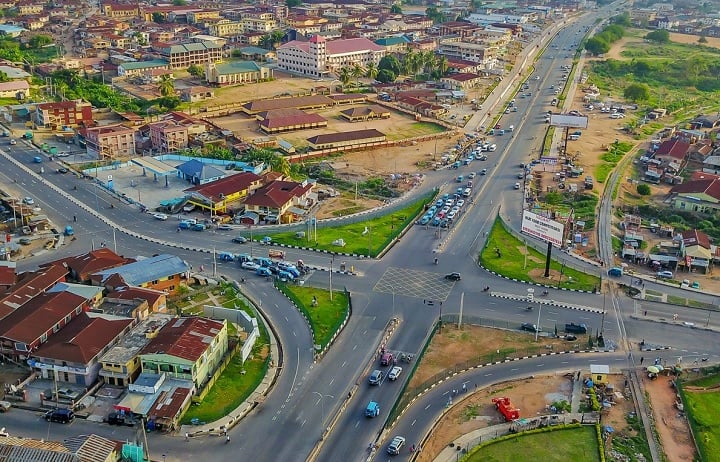
Osun State is one of Nigeria’s 36 states, located in the southwestern part of the country. It was created on August 27, 1991 from the former Oyo State and is named after the Osun River, which flows through the state and holds deep cultural and spiritual significance.
Here are 20 key facts about Osun State:
Capital City: Osogbo is the capital and largest city, serving as the administrative, commercial and cultural hub of the state.
Nickname: Osun is popularly called the “State of the Living Spring” because of the Osun River and its associated Osun-Osogbo Sacred Grove.
Date of Creation: The state was carved out of the old Oyo State on August 27, 1991 under the military administration of General Ibrahim Babangida.
Number of Local Government Areas: Osun has 30 Local Government Areas and one Area Office (Ife).
Geographical Location: It lies between latitudes 7°30′N and 9°00′N and longitudes 3°30′E and 5°00′E, bordered by Oyo State (west and northwest), Kwara State (north), Ekiti and Ondo States (east), and Ogun State (south).
Population: The state had an estimated population of about 4.7 million people according to projections based on the 2006 census (National Population Commission).
Major Ethnic Group: The majority of the people are Yoruba, with the Ijesha, Igbomina, Ife, Iwo, Ede, and Osogbo sub-groups being the most prominent.
Official Language: English is the official language, while Yoruba is the dominant indigenous language spoken across the state.
Osun-Osogbo Sacred Grove: This UNESCO World Heritage Site (inscribed in 2005) is one of the most important cultural landmarks in Osun State. It is a living sacred forest dedicated to the river goddess Osun and hosts the annual Osun-Osogbo Festival.
Annual Osun-Osogbo Festival: Held every August, the festival attracts thousands of local and international tourists. It features the Arugba (virgin carrier of sacred calabash), colourful processions, traditional music, and rituals at the Osun Grove.

Governor (as of 2026): Ademola Adeleke of the Accord Party has been the governor since November 2022.
Major Towns and Cities: Apart from Osogbo, other prominent towns include Ilesa, Ile-Ife, Iwo, Ede, Ikirun, Ila Orangun, Ejigbo, Ifetedo, and Gbongan.
Ile-Ife – Cradle of Yoruba Civilization: Ile-Ife is widely regarded as the spiritual and historical origin of the Yoruba people. It is home to the Ooni of Ife, the foremost traditional ruler in Yoruba land.
Agricultural Base: Osun is one of Nigeria’s leading producers of cocoa, yam, cassava, maize, plantain, palm oil, and kola nuts. The state also has significant livestock farming, especially poultry and cattle rearing.
Tourism Attractions: Apart from Osun Grove, other notable sites include Erin-Ijesha Waterfalls (Olumirin), Adire Textile Market in Ede, Kiriji Memorial in Igbajo, and the National Museum in Ile-Ife.
Education: The state hosts several higher institutions, including Osun State University (UNIOSUN), Osun State College of Education Ila-Orangun, Osun State Polytechnic Iree, and the Federal Polytechnic Ede, Adeleke university, Fountain University, University of Ilesha, and Obafemi Awolowo University (OAU), among others.
Economy: Osun’s economy is driven by agriculture, civil service, small-scale industries, trading, and remittances from citizens working in other states and abroad. The state also benefits from tourism and mining (gold deposits exist in Ilesa and Ifewara).
Religion: Christianity and Islam are the dominant religions, with a significant number of adherents of traditional Yoruba religion (Ifa, Sango, Osun worship). The state is known for religious harmony.
Security Challenges: Like many states in Nigeria, Osun has experienced land dispute clashes in some rural areas, although the situation has improved in recent years due to sustained security efforts and stats government intervention.
Cultural Heritage: Osun State is home to many traditional festivals, including the Olojo Festival in Ile-Ife (celebrated by the Ooni), Egungun Festival, and various Oro and Gelede masquerade performances across communities.
Osun State remains one of Nigeria’s most culturally rich and historically important states, blending tradition, tourism, agriculture, and modern governance.